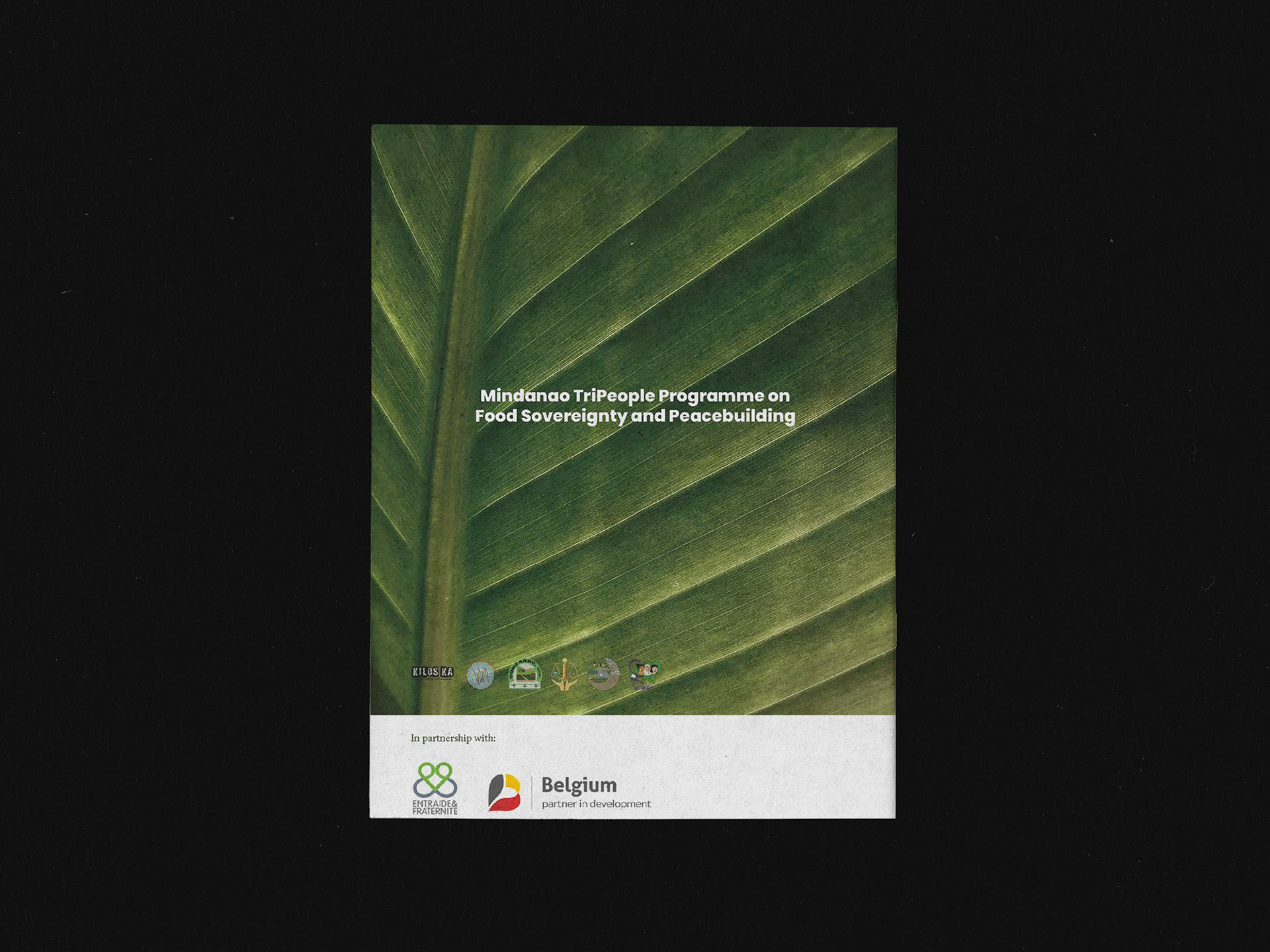
Client: Sumpay Mindanao, Inc.
Scope: Editorial Design
Role: Art Direction
Scope: Editorial Design
Role: Art Direction
Overview
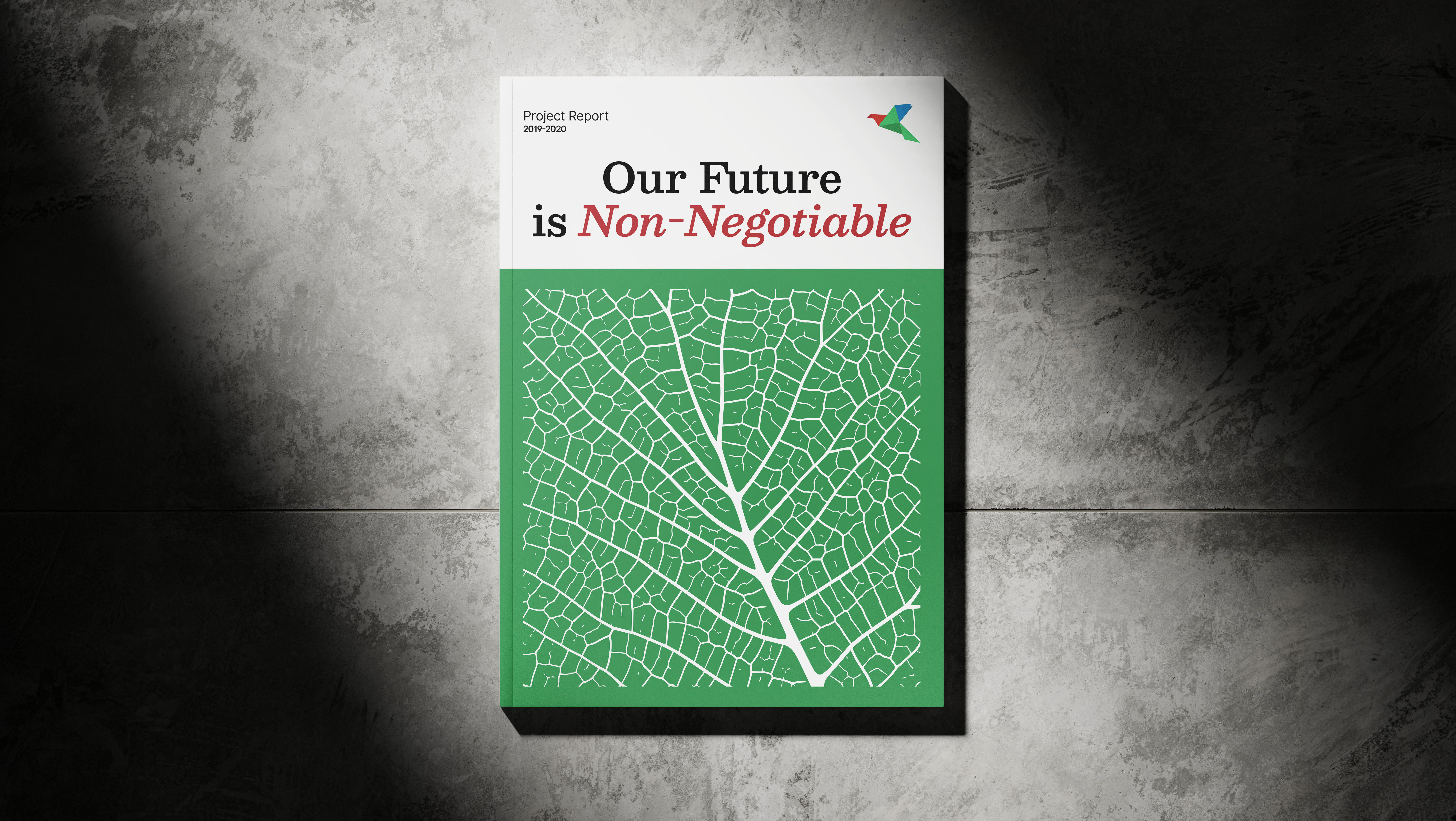
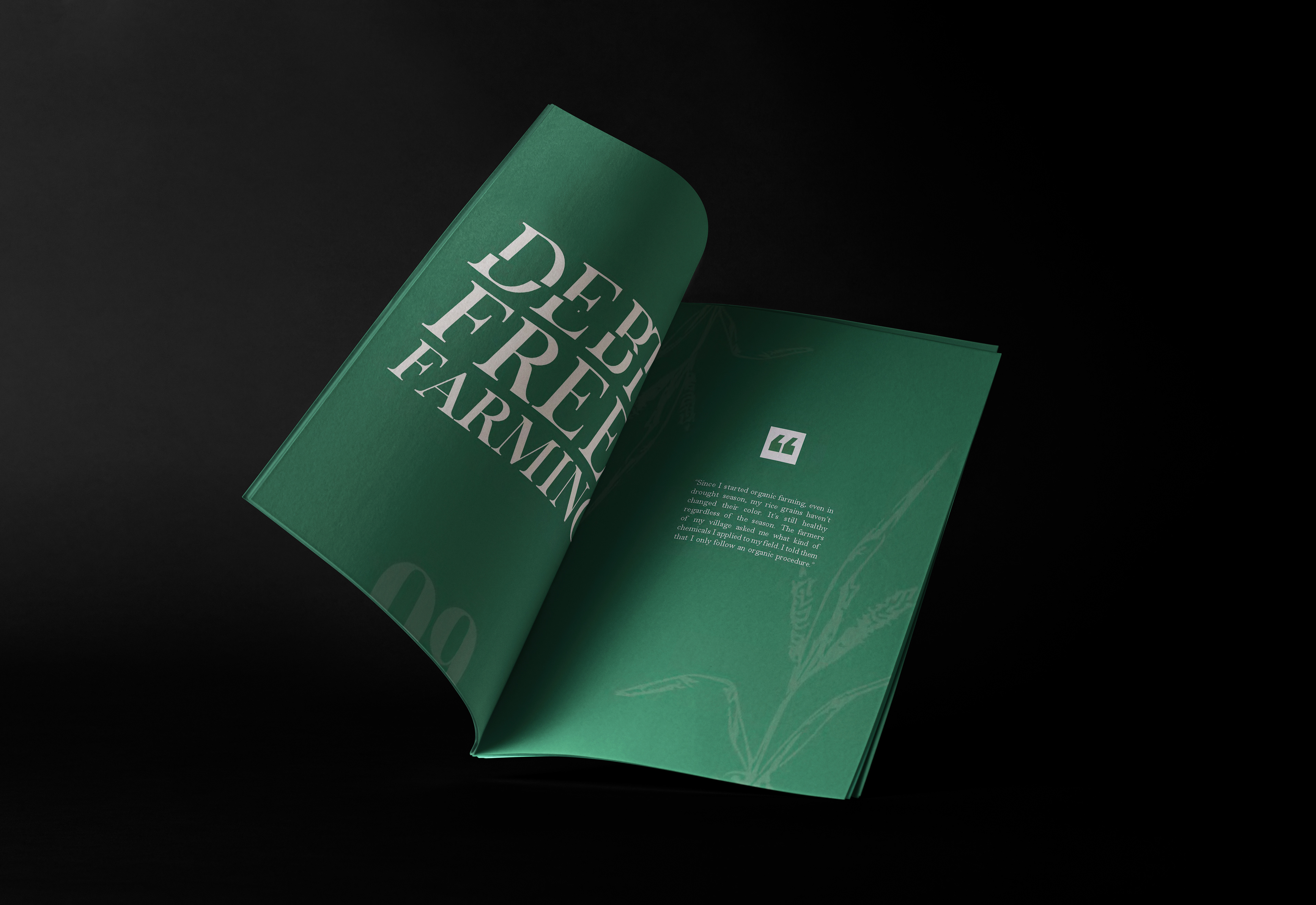
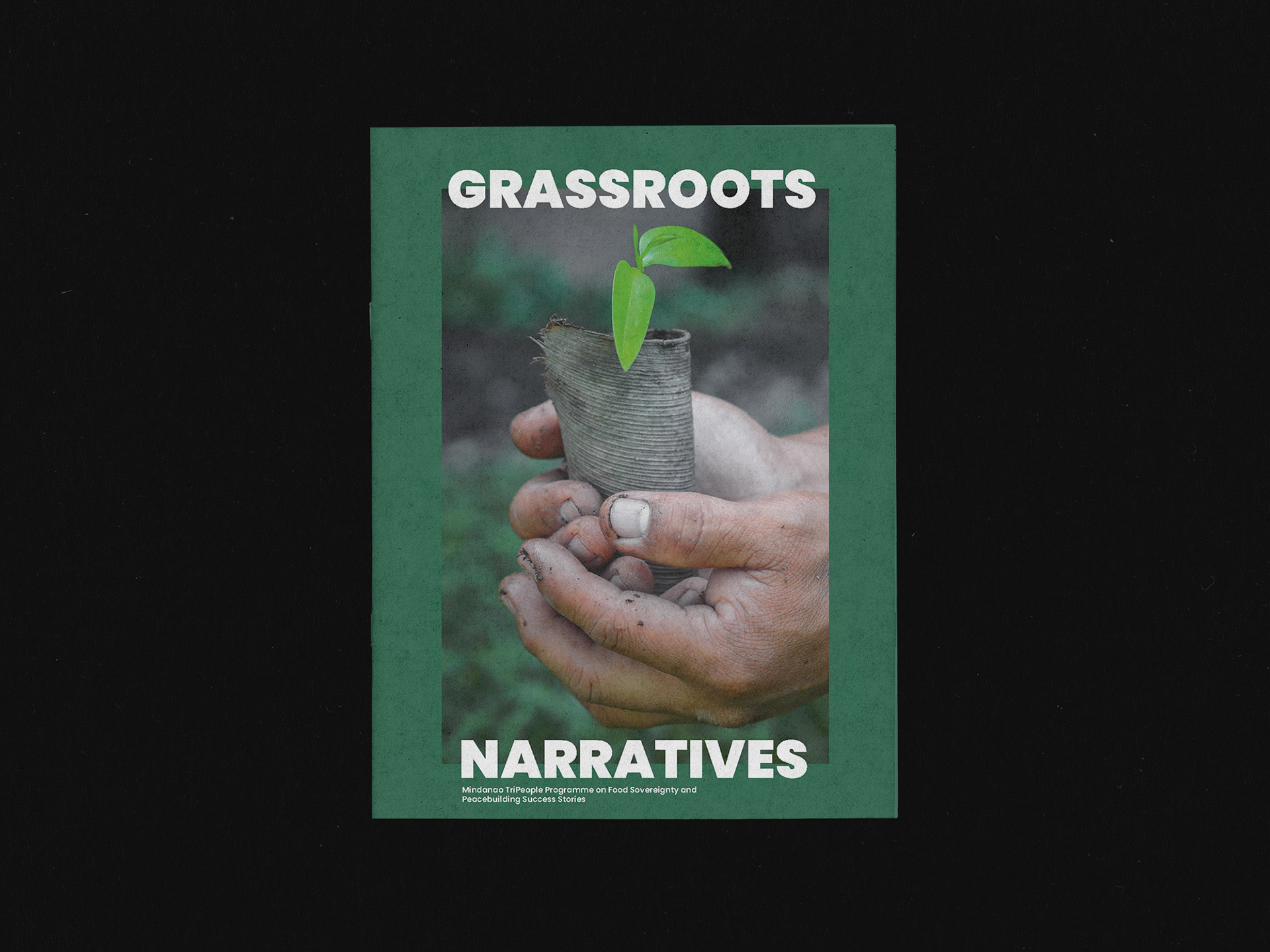
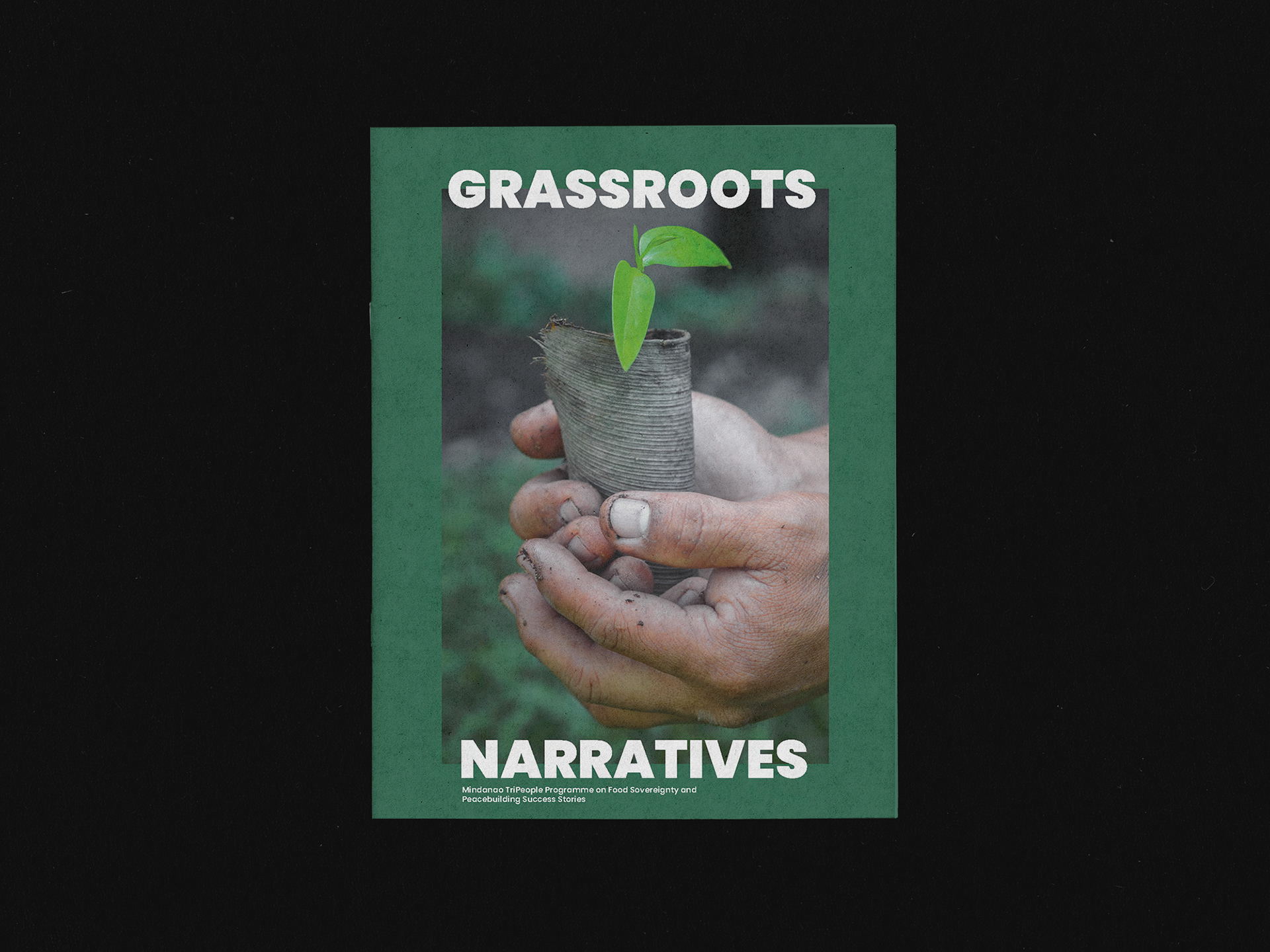
Grassroots Narratives is an impact report designed for Sumpay Mindanao, Inc. Instead of presenting program results as statistics and summaries, the report centers on the people behind the work. Real stories from community members, paired with photography and editorial design, show how local initiatives changed lives on the ground.
The Challenge
Impact reports usually bury good stories under too much information. Long form content, program details, and data all competing for space, until the human stories that actually matter get lost in the layout.
The challenge was building a publication that could hold long form narratives without losing the reader. The design needed to organize a lot of content while keeping the focus on the people, not the program structure around them.
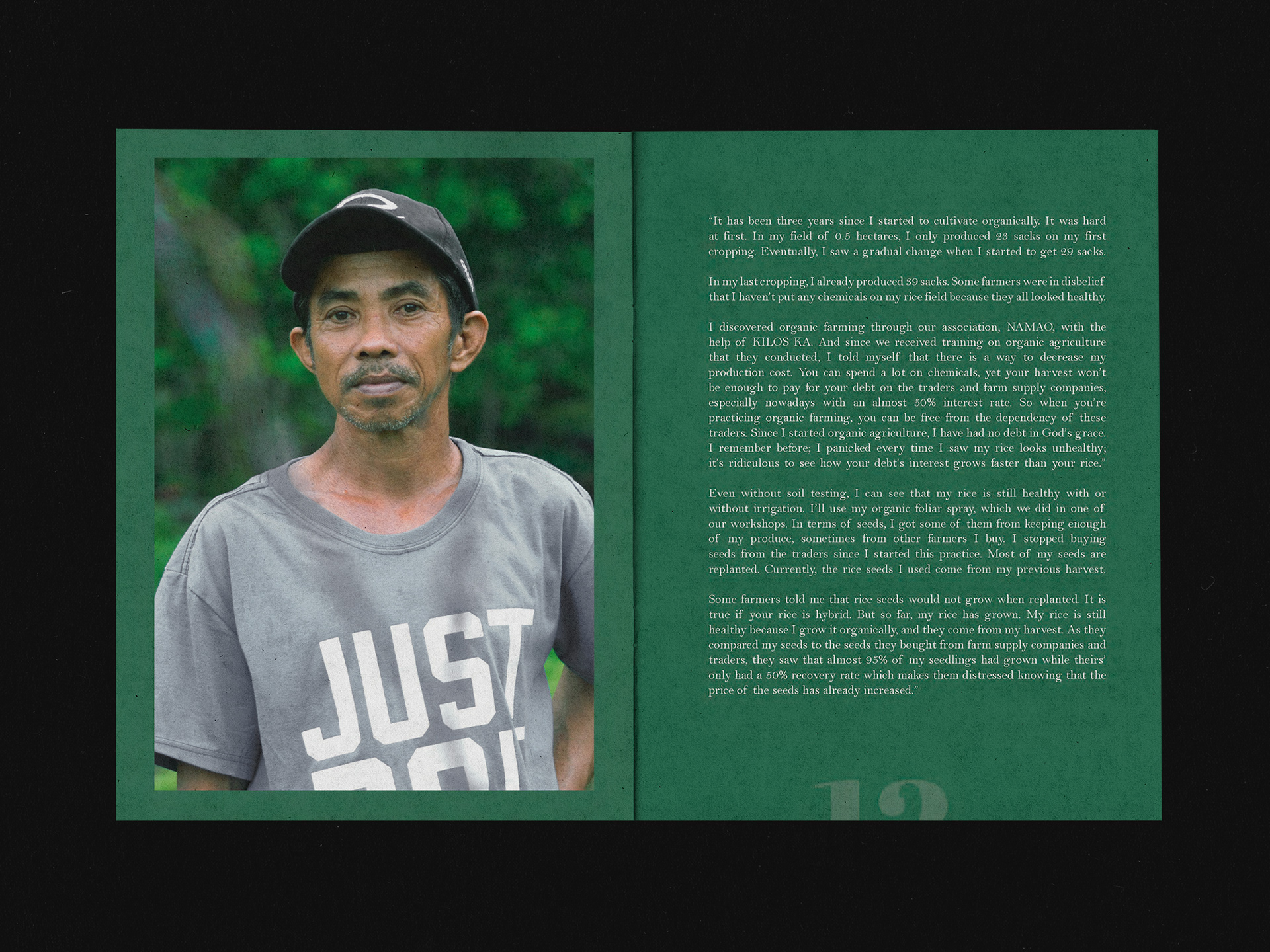
Art Direction
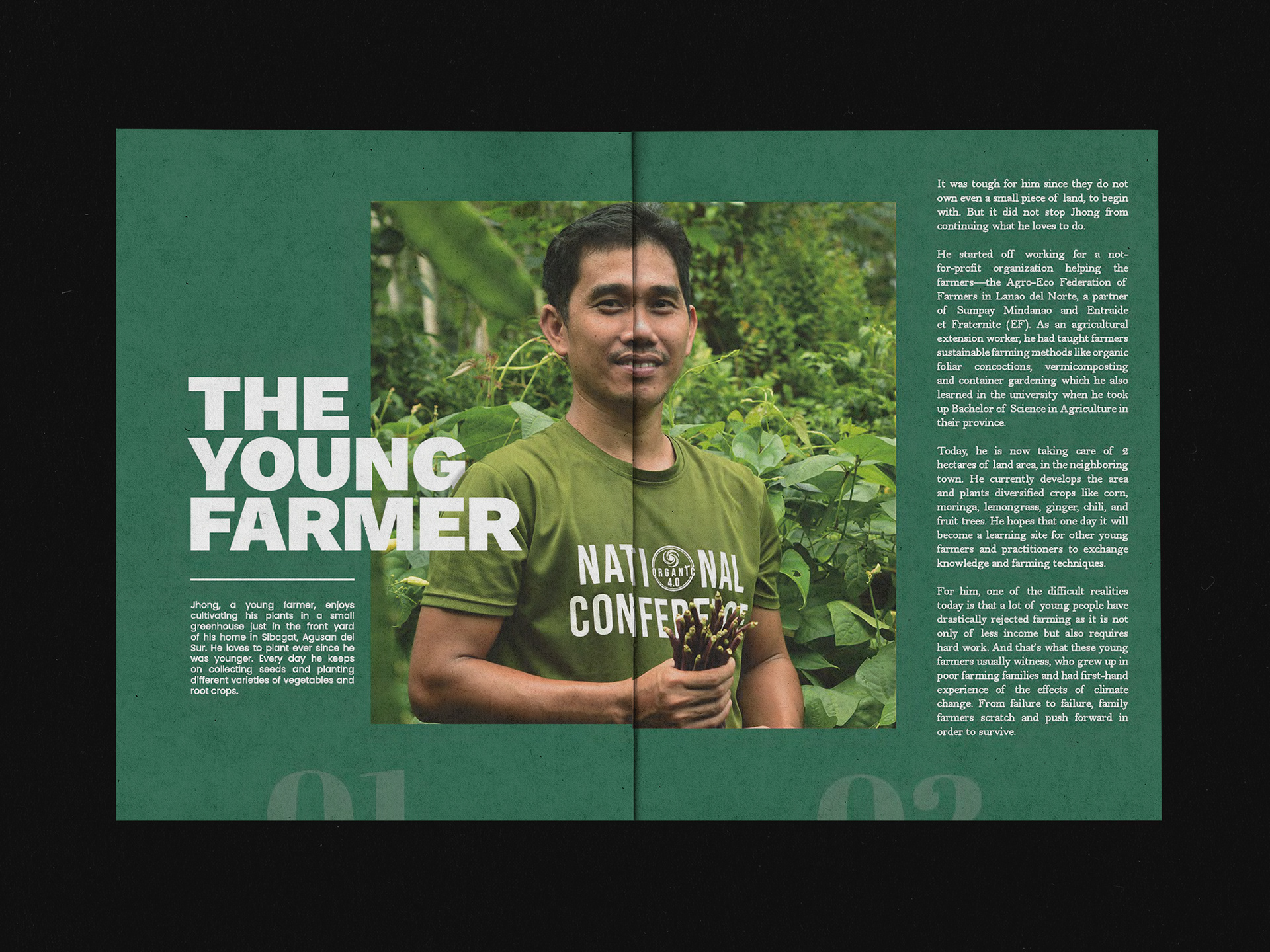
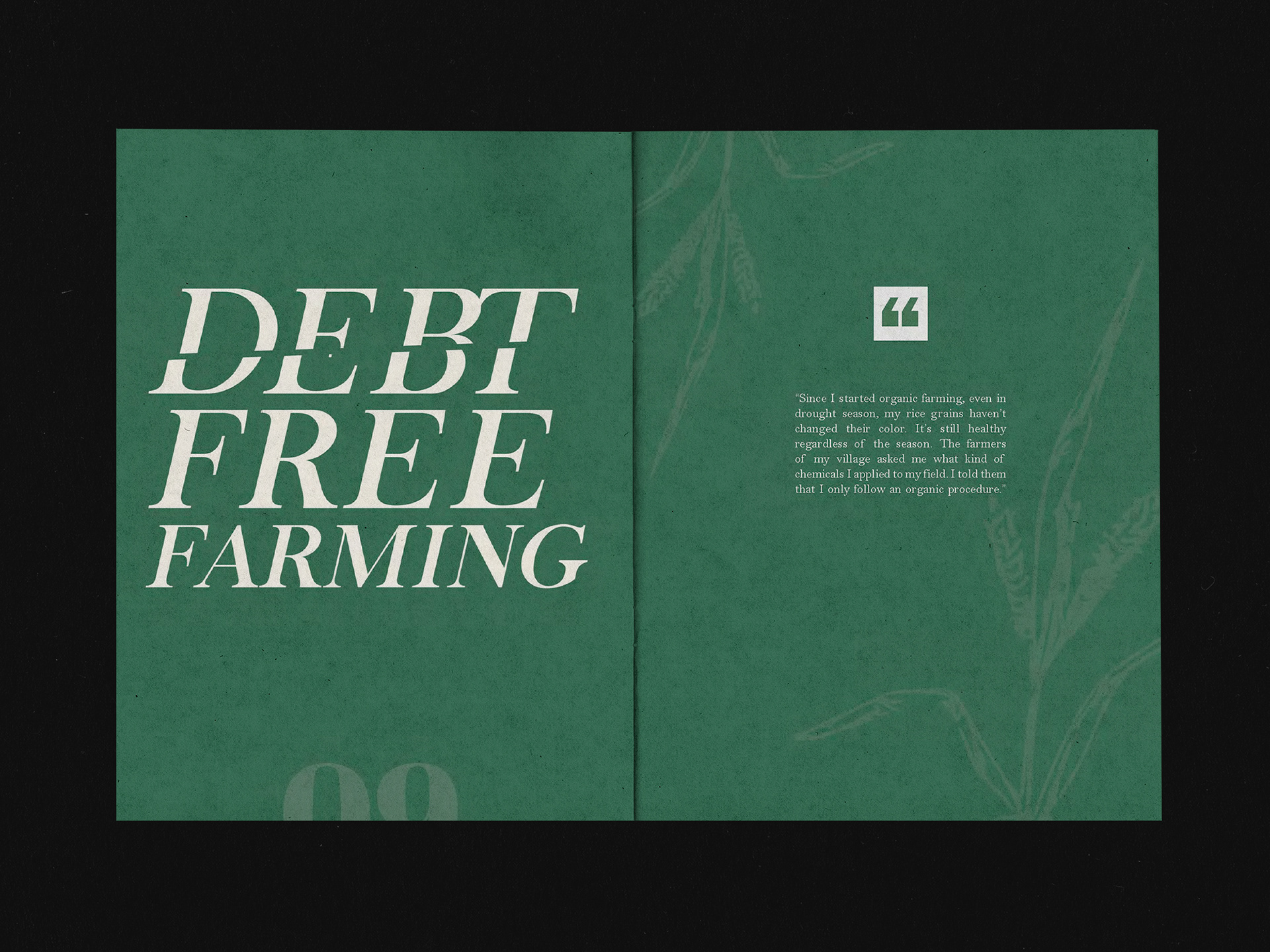
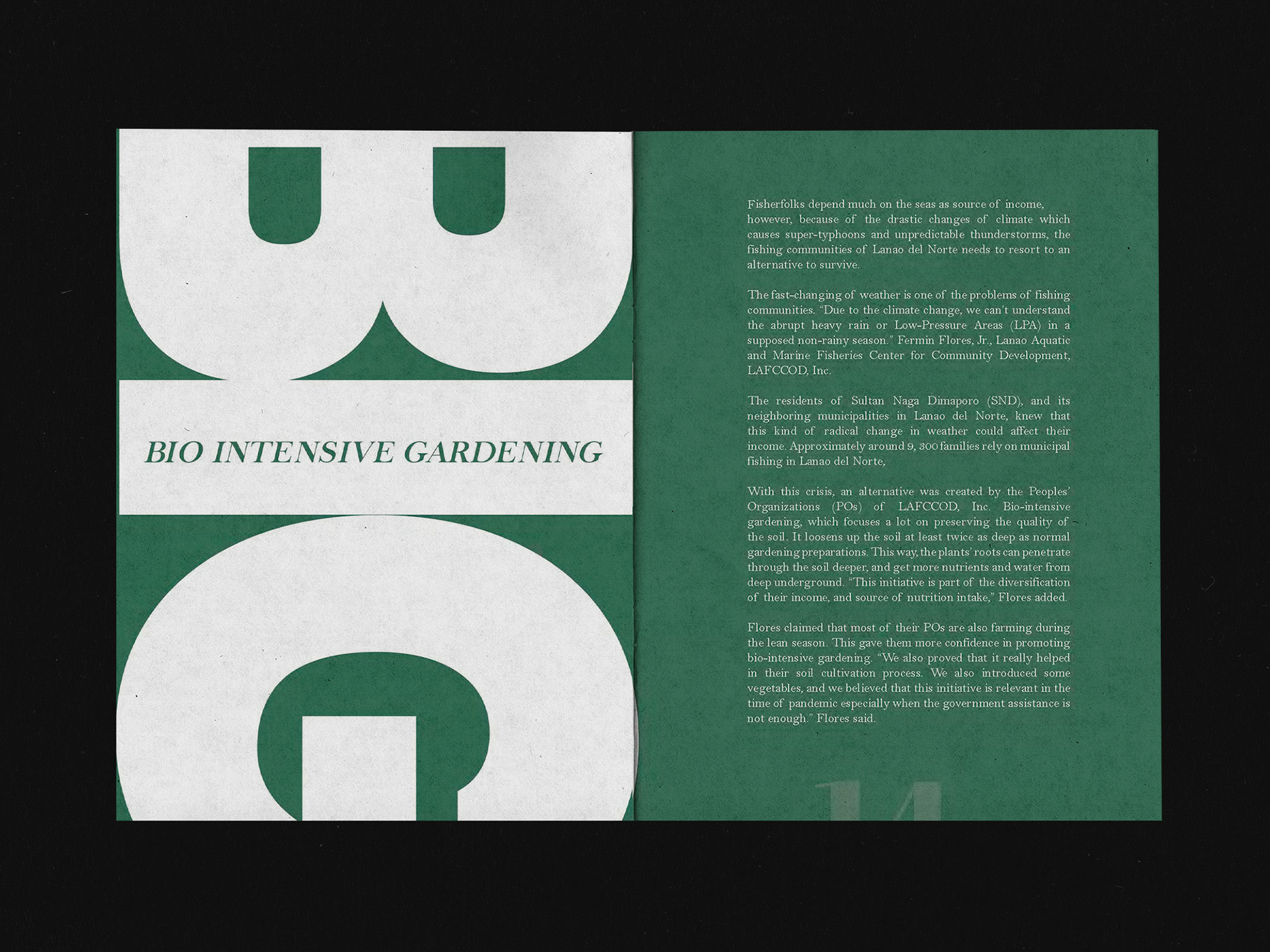
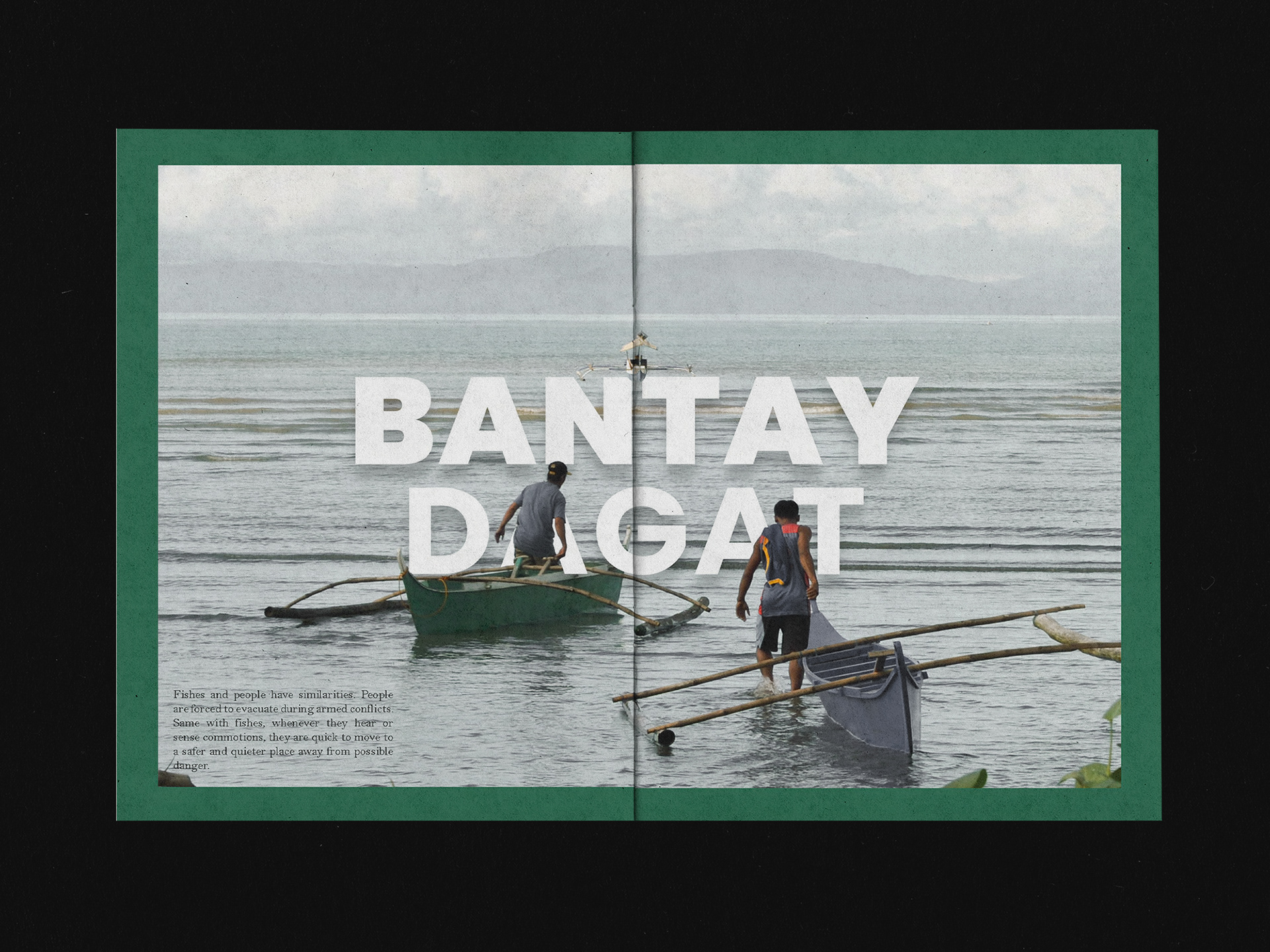
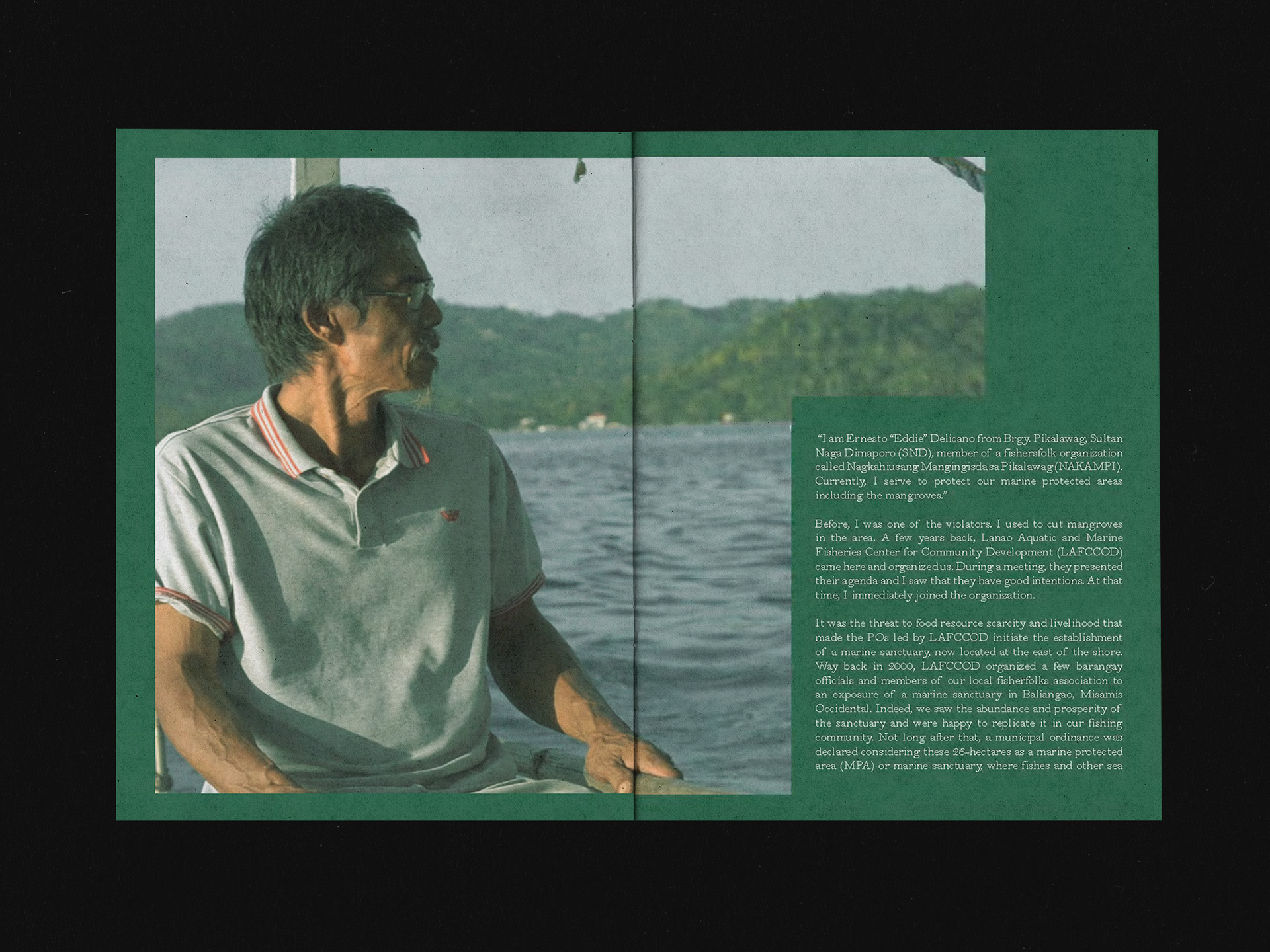
The direction leaned on typography, hierarchy, and generous spacing instead of heavy graphic elements. Every spread was built to keep attention on the stories first. Photography and quotes were given room to breathe rather than competing with design elements for space.
As Art Director, I structured the editorial system across the full publication. That meant setting the story flow, directing how images and text interact spread by spread, and keeping typography and layout consistent from the first page to the last, so the report reads as one connected experience instead of a stitched together collection of stories.
Outcome
The final report presents Sumpay Mindanao's community impact through real stories, organized in a layout readers can actually follow. Long form narratives that would normally feel like a wall of text instead read as a clear, structured experience that lets the human stories carry the report, not the other way around.